

Quick Answer:
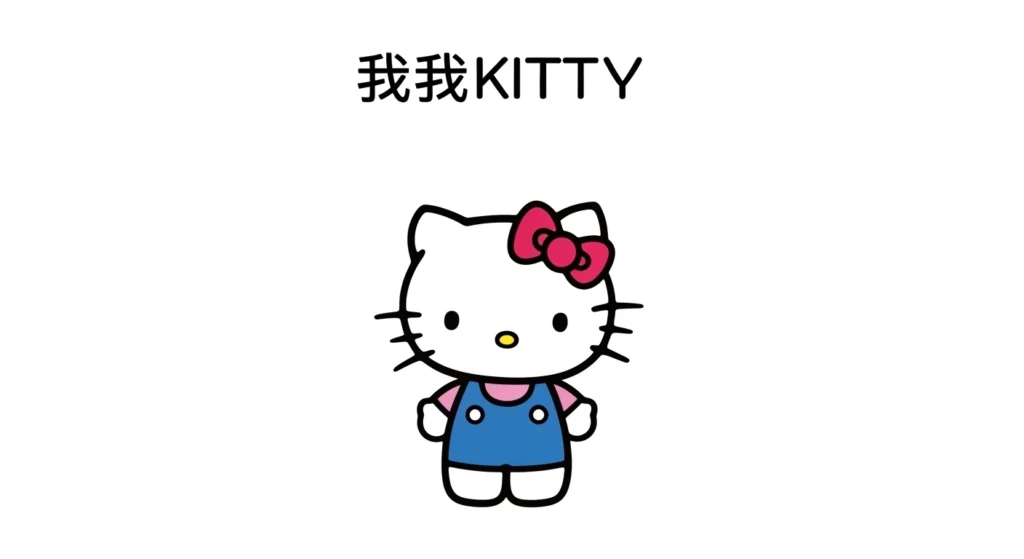
In Chinese, Hello Kitty is commonly translated as 凯蒂猫 (Kǎidì Māo). The name literally means Kitty Cat, with 凯蒂 representing the phonetic sound of “Kitty” and 猫 meaning cat. In Chinese culture, Hello Kitty symbolizes cuteness, innocence, friendship, and positivity rather than having a deep literal meaning.
Hello Kitty is one of the most recognizable characters in the world, but many people wonder what her name actually means in Chinese. If you have seen Hello Kitty merchandise in China, Taiwan, or Chinese speaking communities, you may have noticed the name 凯蒂猫 written on products, signs, or social media posts.
Understanding what Hello Kitty means in Chinese helps explain how foreign brand names adapt to different languages and cultures. While the character keeps her original identity, the Chinese version adds cultural familiarity and linguistic clarity. Learning this meaning also gives insight into how global pop culture blends with local language traditions.
What Does Hello Kitty Mean in Chinese
In Chinese, Hello Kitty is written as 凯蒂猫.
The name breaks down clearly
凯蒂 is a phonetic translation of Kitty
猫 means cat
Together, 凯蒂猫 simply means Kitty the Cat.
Simple Definition of Hello Kitty in Chinese
Hello Kitty in Chinese refers to a cute fictional cat character named 凯蒂猫, known for sweetness, friendliness, and childlike charm.
Origin of the Chinese Name 凯蒂猫
Chinese translators chose 凯蒂猫 to keep the sound close to the English name while making it understandable to Chinese speakers.
Reasons for this translation include
Easy pronunciation
Positive character meanings
Clear identification as a cat
Brand consistency
Meaning of Each Chinese Character
Each character plays a role
凯 suggests victory or positivity
蒂 represents the sound ti
猫 directly means cat
The combination sounds friendly and pleasant.
Cultural Meaning of Hello Kitty in China
In Chinese culture, Hello Kitty represents
Cuteness and innocence
Childhood happiness
Gentle personality
Emotional comfort
She does not represent a mythological or symbolic figure.
Hello Kitty as a Brand Symbol in China
Hello Kitty functions more as a lifestyle brand than a character.
She appears on
School supplies
Clothing
Electronics
Home decor
The name 凯蒂猫 is instantly recognizable.
Hello Kitty in Chinese Pop Culture
Hello Kitty appears in
Chinese cartoons
Advertising campaigns
Social media stickers
Fashion collaborations
Her image focuses on positivity and friendliness.
Why Hello Kitty Has No Mouth Meaning in China
Many people ask about her missing mouth.
In Chinese explanations
She represents listening rather than speaking
She adapts to your emotions
She stays emotionally neutral
This idea aligns well with Chinese values of harmony.
Hello Kitty and Chinese Children
Children associate Hello Kitty with
Safety
Fun
Kindness
Playfulness
Parents view her as non aggressive and wholesome.
Hello Kitty in Chinese Fashion Trends
Hello Kitty appears in
Streetwear
Accessories
Luxury collaborations
凯蒂猫 has become fashionable beyond children.
Hello Kitty Compared to Other Cartoon Names in Chinese
Unlike literal translations, Hello Kitty keeps her sound based identity.
Other characters may change names completely.
Is Hello Kitty a Chinese Character
No, Hello Kitty is Japanese in origin. The Chinese name simply adapts her identity linguistically.
Hello Kitty Meaning vs Japanese Meaning
In Japanese, Hello Kitty is known as ハローキティ.
Chinese focuses on phonetics
Japanese keeps original pronunciation
Both emphasize cuteness.
Meaning Table for Hello Kitty in Chinese
| Element | Meaning | Explanation |
|---|---|---|
| 凯蒂 | Kitty | Phonetic translation |
| 猫 | Cat | Literal animal |
| Overall | Kitty Cat | Friendly name |
How Chinese People Pronounce Hello Kitty
The pronunciation is
Kǎi dì māo
It sounds smooth and easy in daily speech.
Hello Kitty in Chinese Marketing Language
Marketers use Hello Kitty to promote
Soft aesthetics
Gentle emotions
Youth culture
The name feels approachable.
Common Misunderstandings About Hello Kitty in Chinese
Some people believe
She has hidden meanings
She represents ancient myths
Her name has secret symbolism
In reality, the name stays simple.
When Hello Kitty Is Used Figuratively
Sometimes Hello Kitty refers to
Cute aesthetics
Soft personality
Innocent style
This usage is informal.
FAQs
• What does Hello Kitty mean in Chinese?
Hello Kitty in Chinese is 凯蒂猫, meaning Kitty the Cat.
• Is Hello Kitty a Chinese character?
No, she is Japanese but widely popular in Chinese speaking regions.
• Does Hello Kitty have a special symbolic meaning in Chinese?
She mainly represents cuteness, innocence, and friendliness.
• Why is Hello Kitty called 凯蒂猫?
The name keeps the sound of Kitty and clearly identifies her as a cat.
• Is Hello Kitty popular in China?
Yes, she is extremely popular among children and adults.
• Does Hello Kitty’s name mean anything negative in Chinese?
No, all characters used have neutral or positive meanings.
• How do Chinese people pronounce Hello Kitty?
They pronounce it as Kǎi dì māo.
• Is Hello Kitty used in Chinese slang?
Sometimes it describes a cute or soft aesthetic, but it is not slang.
Conclusion
Hello Kitty in Chinese is known as 凯蒂猫, a simple and friendly name that preserves her global identity while fitting naturally into the Chinese language. The name does not carry hidden symbolism or deep literal meaning. Instead, it focuses on phonetic clarity, cultural friendliness, and emotional warmth.
By understanding what Hello Kitty means in Chinese, you gain insight into how international brands adapt across cultures while keeping their original charm. in fashion, pop culture, or everyday products, Hello Kitty remains a beloved symbol of cuteness and positivity.
See Also More :
- What Does VNDS Mean in Shoes? Complete Sneaker Condition Meaning and Resale Guide for 2026
- What Does ASF Mean on TikTok? Complete Meaning Usage Examples and Social Media Context for 2026