
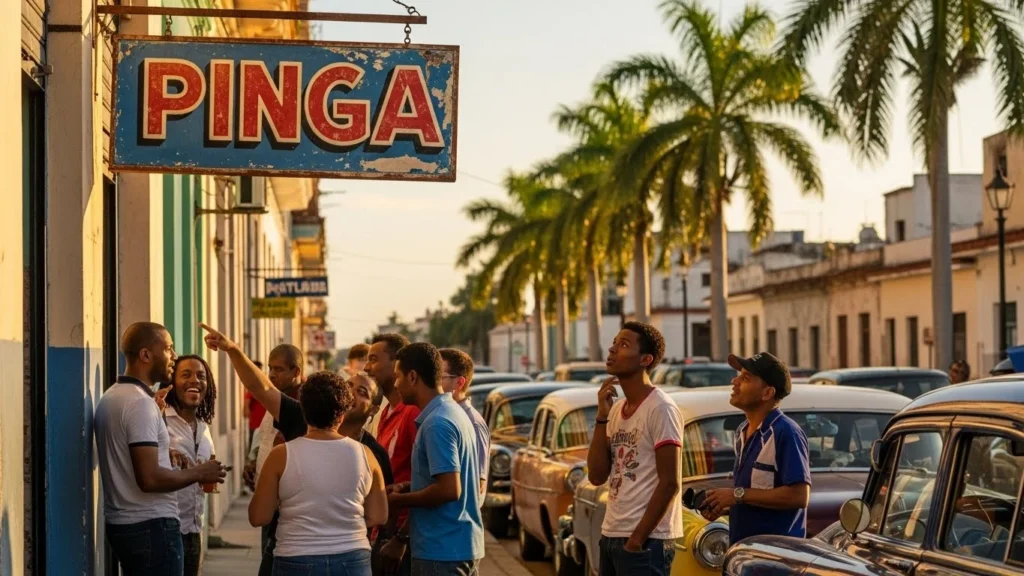
If you’ve ever heard Cuban Spanish in music, movies, or everyday conversation, you may have come across the word pinga and wondered what it really means. It’s one of those terms that doesn’t usually appear in textbooks, but it shows up frequently in real-life Cuban speech and pop culture.
This guide explains what pinga means in Cuban Spanish, where it comes from, how it’s used, what tone it carries, and when you should absolutely avoid using it. The goal here is clarity and cultural understanding, not shock value. Knowing how this word works can help you better understand Cuban conversations without accidentally offending anyone.
Definition
In Cuban Spanish, “pinga” is a vulgar slang word that literally refers to the male genitalia and is commonly used as a strong insult, expression of anger, frustration, or emphasis.
Why This Word Gets So Much Attention
Pinga is one of the most widely recognized Cuban slang words outside of Cuba. Travelers, Spanish learners, and fans of Cuban music often hear it without fully understanding its meaning or seriousness.
The reason it stands out is simple:
- It is very common in casual Cuban speech
- It is emotionally powerful
- It can sound playful, angry, or aggressive depending on tone
- It is considered offensive in most formal or public settings
Understanding it is about awareness, not imitation.
Origin of the Word Pinga
Linguistic Roots
The word pinga exists in several Spanish-speaking regions, but its meaning and intensity vary widely. In Cuba, it developed into a strong slang term with a very specific cultural weight.
Linguistically, it comes from old Spanish vulgar vocabulary related to anatomy. Over time, Cuban street language expanded its meaning beyond the literal definition.
How Pinga Became Popular in Cuba
Several factors contributed to its widespread use:
- Strong oral storytelling culture
- Expressive, emotional communication style
- Street slang and humor
- Music genres like reggaetón and Cuban hip-hop
- Everyday frustration and emphasis in casual speech
In Cuba, words often evolve to carry emotional meaning more than literal meaning, and pinga is a perfect example.
What Does Pinga Mean in Cuban Spanish?
Literal Meaning
At its core, pinga literally refers to the penis. This meaning is vulgar and explicit, which is why the word is considered offensive in polite conversation.
Figurative and Slang Meanings
In Cuban usage, pinga is rarely about anatomy. Instead, it is used to express:
- Anger or frustration
- Disrespect or insult
- Emphasis or intensity
- Dismissal of something or someone
The emotional meaning depends heavily on tone and context.
Common Ways Pinga Is Used in Cuba
As an Insult or Expression of Anger 😠
In many cases, pinga is used similarly to strong curse words in English.
It can express annoyance, disappointment, or rage. When said aggressively, it is clearly offensive.
As Emphasis in Strong Statements
Sometimes it appears in phrases to intensify a statement, similar to how English speakers use strong profanity for emphasis.
Even in this form, it remains vulgar and not socially neutral.
As Dismissive or Negative Commentary
Pinga may also be used to dismiss something as worthless, bad, or unacceptable. In these cases, it carries a negative judgment rather than literal meaning.
Tone Matters: Friendly, Neutral, or Offensive?
Friendly or Playful Tone 😬
Among close friends who understand each other well, pinga might be used jokingly. Even then, it’s risky and highly informal.
This does not make it polite or acceptable in broader settings.
Neutral Tone
There is almost no truly neutral use of pinga. Even when spoken calmly, it still carries vulgar undertones.
Offensive or Aggressive Tone 🚫
This is the most common interpretation. When used loudly or sharply, pinga is clearly insulting and confrontational.
Labeled Example Table: Context and Meaning
| Context | Example Description | Meaning | Tone |
|---|---|---|---|
| Argument | Said during a disagreement | Insult or anger | Offensive |
| Street slang | Used casually with friends | Emphasis | Vulgar |
| Music lyrics | Expressing frustration | Emotional intensity | Strong |
| Public setting | Used loudly | Disrespectful | Highly offensive |
Real-World Usage in Cuban Culture
In everyday Cuban life, pinga is part of street language rather than formal speech.
You are more likely to hear it:
- Among young people
- In informal neighborhoods
- In music lyrics
- In heated conversations
You will not hear it:
- On the news
- In professional environments
- In polite family settings
- In customer service or official speech
Comparison With Similar Cuban Slang Words
Pinga vs Coño
Coño is another common Cuban expletive. While still vulgar, it is generally less aggressive than pinga and more commonly used to express surprise or frustration.
Pinga vs Carajo
Carajo is also offensive, but it often expresses anger or disbelief without the anatomical reference. Pinga is usually considered harsher.
Pinga vs English Profanity
In English terms, pinga is closer to very strong curse words. It should not be translated lightly or used casually by non-native speakers.
Alternate Meanings of Pinga
In Cuban Spanish, there are no widely accepted polite alternate meanings. The word almost always carries vulgar or insulting intent.
In other Spanish-speaking countries, it may exist but is far less common or used differently.
Polite and Professional Alternatives
If your goal is communication without offense, avoid pinga completely.
Safer Alternatives in Cuban Spanish
- Qué molestia
- Qué problema
- Esto es terrible
- No me gusta para nada
- Estoy muy molesto
These phrases express frustration without vulgarity.
Usage Tips for Non-Native Speakers
- Do not use pinga to sound local
- Understand it, but don’t repeat it
- Context does not make it safe for outsiders
- Misuse can offend very quickly
- Listening is safer than speaking
Cultural fluency is about knowing what not to say as much as what to say.
Cultural Sensitivity and Respect
Learning slang is part of understanding a culture, but respectful communication means knowing boundaries.
Native speakers may use pinga among themselves, but that does not mean it’s appropriate for visitors, learners, or professional settings.
Conclusion
Pinga is one of the most recognizable yet misunderstood Cuban slang words. While it appears frequently in casual speech and music, it remains a vulgar and offensive term in most contexts.
The most important points to remember are that pinga literally refers to male anatomy, is commonly used as an insult or expression of frustration, carries strong emotional weight, and should be avoided in polite or professional communication. Understanding its meaning helps you interpret Cuban Spanish accurately without risking embarrassment or disrespect.
Knowing slang is about awareness, not imitation.
Frequently Asked Questions
What does pinga mean in Cuban Spanish?
Pinga is a vulgar slang word in Cuban Spanish that literally refers to male genitalia and is commonly used as an insult or expression of strong emotion.
Is pinga considered offensive in Cuba?
Yes, pinga is generally considered offensive and inappropriate in formal, public, or professional situations.
Do Cubans use pinga often?
It is used frequently in informal speech, street language, and music, but not in polite conversation.
Can pinga ever be friendly or joking?
Among close friends, it may be used jokingly, but it is still vulgar and risky, especially for non-native speakers.
Is pinga used in other Spanish-speaking countries?
The word exists in some regions, but its popularity and intensity are especially strong in Cuban Spanish.
Should tourists or Spanish learners use pinga?
No, it is best to understand the word without using it to avoid offending others.
Is pinga used in Cuban music?
Yes, it sometimes appears in reggaetón and hip-hop lyrics to express frustration or intensity.
Are there polite alternatives to express frustration instead of pinga?
Yes, phrases like estoy molesto or qué problema communicate frustration without vulgar language.
See Also More :
- What Does MOQ Mean in Manufacturing? Definition, Examples, Benefits, and Complete Guide
- What Does RTD Mean in Boxing? Definition, Rules, Examples, and Complete Guide

My name is James Anderson. I work on TextSOrbit.com, where I create informative, well researched, and SEO friendly content. I focus on writing clear and engaging articles that help readers understand topics easily while improving search visibilit.