
Quick Answer:
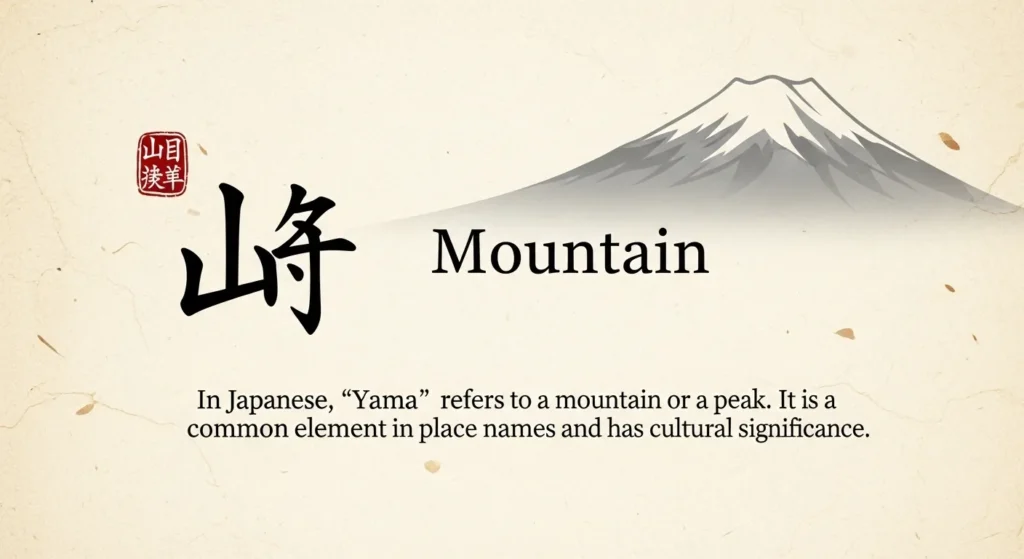
In Japanese, yama means mountain. It is a common word used to describe physical mountains, hills, and elevated land. Beyond its literal meaning, yama also appears in names, idioms, cultural expressions, and symbolic language, where it can represent strength, nature, challenge, or spiritual presence depending on context.
You may have seen the word yama in anime, Japanese names, travel guides, or everyday conversations. At first, it seems simple, but its meaning expands in many interesting ways.
Japanese words often carry cultural depth, and yama is a perfect example. Understanding how it is used helps you better understand Japanese language and culture.
What Does Yama Mean in Japanese?
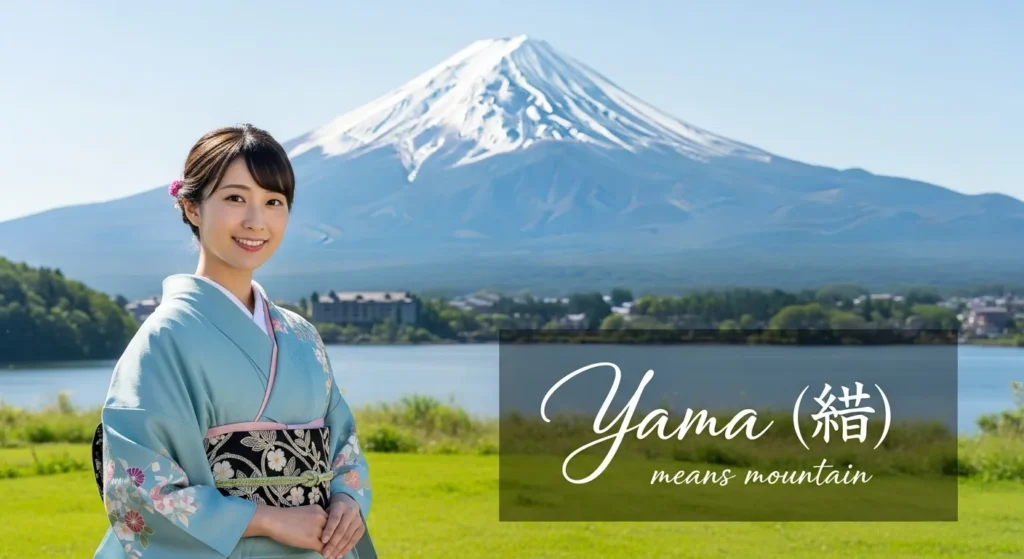
In standard Japanese, yama directly translates to mountain.
It is written using the kanji 山, one of the most basic and recognizable characters in Japanese.
Basic meanings include:
Mountain
Hill or large elevated land
Mountainous area
Example sentence:
あの山はとても高いです
Meaning in English:
That mountain is very tall.
Literal Meaning vs Cultural Meaning
Literally, yama refers to a physical mountain. Culturally, it often represents more.
In Japanese culture, mountains are seen as:
Sacred places
Homes of spirits
Symbols of endurance
Natural protectors
Because of this, yama appears frequently in folklore, religion, and traditional stories.
Origin and Historical Background of Yama
The word yama has been part of the Japanese language for centuries.
It originated from ancient spoken Japanese
Used long before written kanji
Later represented by the character 山
Integrated into Shinto and Buddhist traditions
Mountains were considered sacred spaces, and many temples and shrines were built on or near them.
Spiritual and Religious Significance of Yama
In Shinto belief, mountains are sacred and often associated with kami, or spirits.
In Buddhism, mountains symbolize spiritual journeys and enlightenment.
Many famous mountains, such as Mount Fuji, are worshipped and respected.
Yama often represents:
Spiritual challenge
Inner strength
Connection between earth and sky
Yama in Everyday Japanese Language
Yama is commonly used in daily conversations.
You may hear it when people talk about:
Hiking
Nature trips
Geography
Weather conditions
It can also appear in compound words like:
Yamamoto meaning base of the mountain
Yamaguchi meaning mountain entrance
Yama in Japanese Names and Surnames
Yama appears frequently in Japanese family names.
Common examples include:
Yamada meaning mountain field
Yamashita meaning below the mountain
Yamaguchi meaning mountain mouth
These names often reflect where families originally lived.
Idiomatic and Figurative Uses of Yama
Yama is sometimes used figuratively.
In expressions, it can imply:
A big challenge
A turning point
Something difficult to overcome
For example, yama wo koeru means to get over a difficult situation.
Regional Usage and Dialect Differences
While yama means mountain across Japan, pronunciation and usage may slightly vary by region.
In rural areas, it may refer to local hills.
In cities, it often appears in place names.
Despite regional differences, the core meaning remains the same.
Where You Will Commonly See the Word Yama
Yama appears in many places.
Maps and road signs
Travel guides
Anime and manga
Japanese poetry
Nature related conversations
It is one of the first kanji learners study.
Examples of Yama in Japanese Sentences
Here are natural examples.
山に登るのが好きです
I like climbing mountains
この山は有名です
This mountain is famous
山の天気は変わりやすい
Mountain weather changes quickly
Context Comparison Table
| Context | Meaning | Usage |
|---|---|---|
| Geography | Mountain | Literal |
| Religion | Sacred place | Symbolic |
| Names | Family origin | Cultural |
| Idioms | Challenge | Figurative |
Meaning Table for Yama
| Situation | Meaning | Tone |
|---|---|---|
| Nature talk | Mountain | Neutral |
| Culture | Sacred land | Respectful |
| Idioms | Obstacle | Metaphorical |
| Names | Place based | Traditional |
Similar Japanese Words and Alternatives
| Word | Meaning | When to Use |
|---|---|---|
| Oka | Hill | Smaller elevation |
| Mine | Peak | Mountain top |
| San | Mountain suffix | Place names |
| Takai | High | Descriptive |
Common Mistakes Learners Make With Yama
Common mistakes include:
Confusing yama with oka
Misusing san as a standalone word
Ignoring cultural symbolism
Over translating literally
Understanding context helps avoid errors.
FAQs
What does yama literally mean in Japanese?
It literally means mountain.
Is yama used in everyday Japanese?
Yes, it is very common.
Is yama a name in Japanese?
Yes, it appears in many surnames.
Does yama have spiritual meaning?
Yes, mountains are sacred in Japanese culture.
Is yama the same as Mount Fuji?
Fuji is a specific mountain, while yama is a general term.
Is yama used in anime?
Yes, often in names and settings.
Can yama mean obstacle?
Yes, figuratively in idioms.
Is yama formal or informal?
It is neutral and works in all settings.
Conclusion
Yama is a simple yet deeply meaningful Japanese word. While it literally means mountain, it also represents nature, spirituality, strength, and cultural identity.
From everyday conversation to names, idioms, and religion, yama plays an important role in Japanese language and culture. Understanding its literal and symbolic meanings helps you appreciate how deeply connected language and nature are in Japan.
See Also More :
- What Does NTC Mean in Spanish? Complete Meaning and Examples for 2026
- What Does This Sign Mean in Text Messages? Complete Meaning and Examples for 2026

My name is Lauren Brooks. I work on TextSOrbit.com, where I create informative, well researched, and SEO friendly content. I focus on writing clear and engaging articles that help readers understand topics easily while improving search visibility.